
- Your cart is empty
- Continue Shopping


What does radial and axial load capacity mean?
- Deep Groove Ball Bearings
- Posted on
Understanding Radial and Axial Load Capacities in Bearings
When it comes to selecting the right type of bearing for your application, understanding the concepts of radial load capacity and axial load capacity is essential. These two types of forces play a crucial role in determining the performance, durability, and efficiency of bearings in various mechanical systems. Let’s dive into the definitions, differences, and applications of radial and axial loads, along with how bearings are optimized to handle these forces effectively.
1. What Is Radial Load Capacity?
Definition of Radial Force (Radial Load)
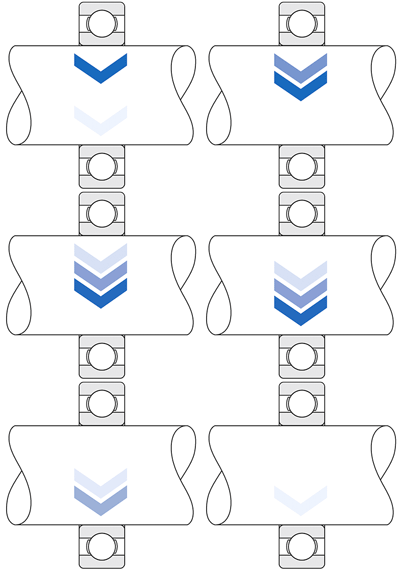
A radial force (also known as a radial load) is a force that acts perpendicular to the axis of a shaft or rotating body. This type of force pushes against the side of the shaft and is directed towards or away from the center of rotation.
Examples:
- In an electric motor, the tension from the belt or pulley pulling on the shaft creates a radial load.
- The weight of a rotating component or an unbalanced load can also generate radial forces.
How Do Radial Ball Bearings Handle Radial Loads?
Radial ball bearings are specifically designed to handle forces that act perpendicular to the shaft. They consist of an inner ring, outer ring, rolling elements (balls), and a cage that maintains even spacing of the balls.
As radial force is applied to the bearing, the rolling elements distribute the load evenly across the raceways, minimizing friction and ensuring smooth rotation. This allows radial ball bearings to:
- Absorb large amounts of radial force.
- Operate efficiently at high speeds.
- Reduce wear and increase the lifespan of the bearing.
Visual Demonstrations of Radial Load
3D Model Illustration: Demonstrates how radial force is applied perpendicular to the shaft.
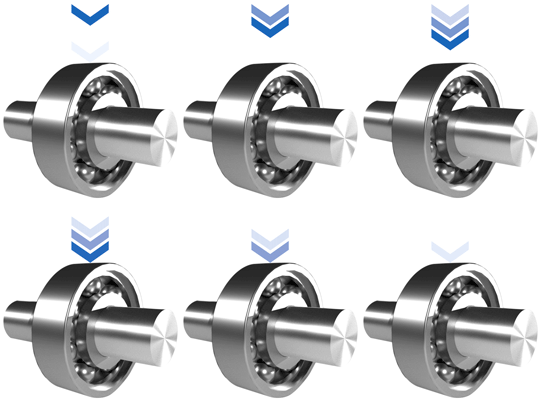
Animation of Radial Load Application: Shows how radial ball bearings effectively absorb radial forces.
2. What Is Axial Load Capacity?
Definition of Axial Force (Axial Load)
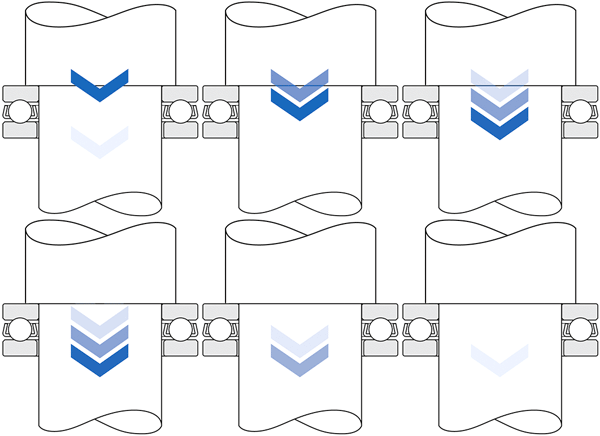
In contrast, an axial force (also known as an axial load or thrust load) is a force that acts parallel to the axis of the shaft. This force pushes or pulls along the length of the shaft, either in a forward or backward direction.
Examples:
- In a screw jack, the force generated to move an object along the shaft creates an axial load.
- In gear systems, axial loads can result from helical or bevel gears that produce thrust along the axis during operation.
How Do Axial Ball Bearings Handle Axial Loads?
Axial ball bearings (also called thrust ball bearings) are engineered to absorb forces that act in the direction of the shaft axis. These bearings have specially designed raceways and rolling elements that are capable of distributing axial loads efficiently.
Visual Demonstrations of Axial Load
3D Model Illustration: Demonstrates how axial force is applied along the shaft axis.
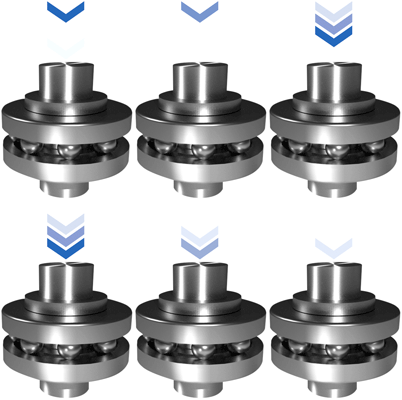
Animation of Axial Load Application: Shows how axial ball bearings effectively absorb axial forces.
3. Key Differences Between Radial and Axial Loads
| Feature | Radial Load | Axial Load |
|---|---|---|
| Direction of Force | Perpendicular to shaft axis | Parallel to shaft axis |
| Type of Bearing | Radial Ball Bearings | Axial/Thrust Ball Bearings |
| Common Applications | Electric motors, fans, wheels | Gearboxes, thrust systems, screws |
| Load Distribution | Across raceway circumference | Along the raceway’s axis |
| Motion Resistance | Minimal friction during rotation | Higher friction under heavy thrust |
4. Applications and Practical Examples
Radial Load Applications
- Electric Motors: Radial ball bearings support the side load generated by the rotating shaft.
- Conveyor Systems: Radial bearings absorb the lateral forces caused by heavy loads.
- Automotive Wheel Hubs: Radial bearings handle the perpendicular load from the vehicle’s weight.
Axial Load Applications
- Screw Jacks and Lifts: Axial ball bearings bear the thrust forces generated when the load moves along the shaft.
- Helical Gear Systems: Axial loads generated by gear meshing are absorbed effectively.
- Propeller Shafts in Marine Systems: Axial bearings manage the thrust produced by rotating propellers.
5. Why Is It Important to Choose the Right Bearing?
Choosing the wrong type of bearing can lead to excessive wear, reduced efficiency, and mechanical failure. When selecting a bearing, it’s important to consider:
- The type and direction of the load (radial, axial, or combined).
- The operating speed and conditions of the system.
- The load capacity required to handle both static and dynamic forces.
6. Conclusion: Understanding Load Capacity Is Crucial
To ensure the longevity and smooth operation of mechanical systems, it’s essential to understand the differences between radial and axial load capacities. Radial ball bearings are optimized to absorb perpendicular forces, while axial ball bearings excel in managing forces along the shaft axis. By selecting the right bearing type and capacity for your application, you can minimize friction, reduce maintenance costs, and enhance overall performance.